
Here is the conclusion first: everyone is shouting “flying car”, but in pushing a supercar to a 0-100 in under 1 second and a top speed above 370 km/h, the part that really “complains first” is often not the body, not the battery — it is the invisible high-temperature insulation material inside the motor, the layer that decides whether the motor burns through under extreme overload.
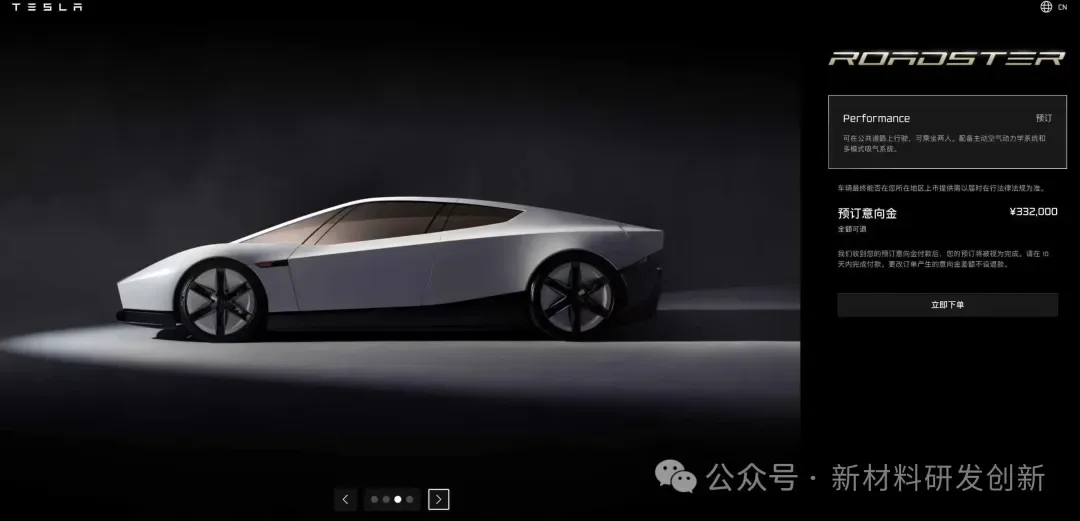
One — First, See What “Hardware” Tesla Put In
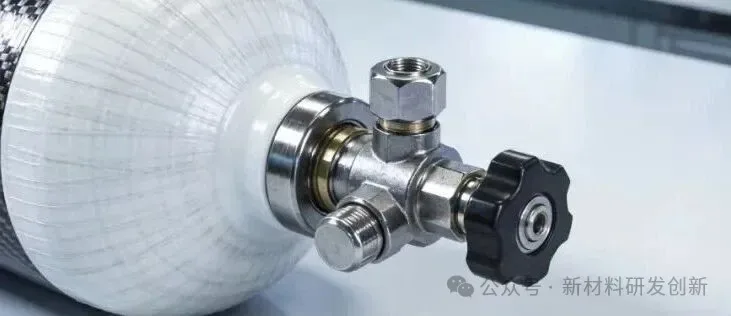
Tesla’s Roadster comes in three versions: Performance (road): 0-60 mph < 1.6 s, two seats, road-legal; Thrust (track): tail cold-gas thrusters, 0-60 mph < 0.9 s, limited; and Rocket: single seat, about 10 thrusters, 600 L of compressed air, 0-60 mph < 0.59 s, and it can actually fly. The truly hard-core part is the propulsion system: it does not ignite, has no open flame — it works by ejecting high-pressure compressed air through nozzles to generate thrust, the very same-source technology SpaceX’s Falcon 9 uses for attitude control on re-entry. Almost every usable inch inside the car is filled with carbon-fiber-wrapped high-pressure storage containers (COPV). All three versions have a range above about 483 km (>300 miles) and a top speed over 370 km/h; that megawatt-class electric drive + large-capacity battery + high-pressure air circuit is exactly where the whole car is pushed to its physical limits (as cited by Tesla official and authoritative media, 2026).
Two — Everyone Watches “Flight” and Carbon Fiber, but Insulation and Sealing Are the Most Pushed to the Limit
Magnesium, titanium and carbon fiber lighten the body, but the electrical/drive side also has to “get light” while holding up against something else — the temperature from overload. The higher the motor’s power density, the denser the windings and the larger the current, and the higher the temperature inside the motor and around its connectors; with high-rate battery charge/discharge and repeated pressurization of the high-pressure air circuit, the thermal-class requirement on insulation and sealing rises accordingly. In short, this car’s “speed ceiling” is half a ceiling set by the temperature class of its insulation materials.
Three — The Name-Checked High-Performance Polymer: Light, and It Stands 260°C
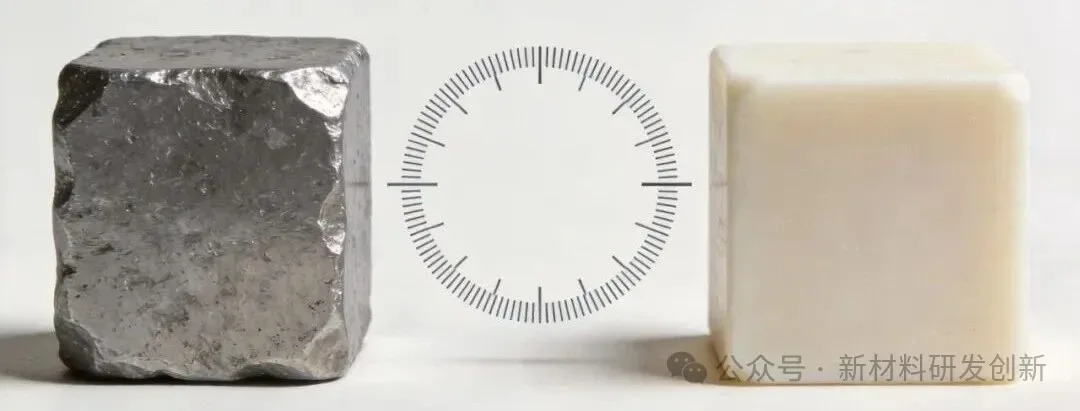
The protagonist here is an often-underrated high-performance engineering plastic — PEEK (polyether ether ketone). It has two trump cards: light — a density around 1.3 g/cm³, about 1/6 that of steel, nearly 1/2 of aluminum and about 1/3 of titanium; and heat-resistant — usable continuously at 260°C, while staying insulating, wear-resistant and self-lubricating. That is why it is worth “replacing metal with plastic”: without sacrificing strength, switching motor insulation frames and connector insulation seats from metal to PEEK cuts weight without losing temperature resistance, wear resistance or insulation — just right for a hypercar that converts every gram into performance.
Four — Where These Parts Actually Land in a Hypercar
Following the “light + high-temperature insulation” logic, typical PEEK touchpoints in automotive electrics/drives are: stator insulation frames / end insulation of flat-wire motors; connector insulation seats for drive and power electronics; battery busbar and module insulation; quick-connect fittings and seals for thermal management; and valve-part seals and wear parts in the high-pressure air circuit. None of them is large on its own, yet they are the underlying guarantee that the whole high-voltage system runs stably and is not punched through by “heat” and “pressure”.
Five — Lightweighting Is Hot in China, but “Metal-to-Plastic” in the Drive Stage Deserves More Attention
Most attention lands on carbon fiber in the body, but the localization of “metal-to-plastic” in the electrical/drive stage is actually more worth watching: it demands a material that holds high cleanliness, high-temperature resistance, wear resistance and dimensional stability all at once — which takes one line from modified formulation to precision molding. Dalian Luyang Technology, which has long worked in PEEK modified compounds and precision injection molding, sits on exactly this “from material to part” chain, providing material and process support for these high-temperature, high-wear, high-dimensional-stability electrical structural parts.
In Closing — Performance’s Foundation Is the Temperature Grade and Weight of Materials
The Roadster is Tesla’s declaration of extreme performance — 0-100 in under a second, able to fly, extreme weight reduction. But the further you push toward the limit, the clearer it becomes: the foundation of performance is the temperature grade and weight of its materials. Magnesium, titanium and carbon fiber grab the headlines, while the 260°C “plastic” hidden in the motor gets overlooked — yet it is precisely the latter that decides whether this car can stand firm at its hottest and most pressurized moment. From Dalian Luyang Technology, a specialty-engineering-plastics manufacturer working in PEEK modified compounds and precision injection molding for motor insulation frames, connector insulation seats, sealing rings and wearable parts in electric drives.