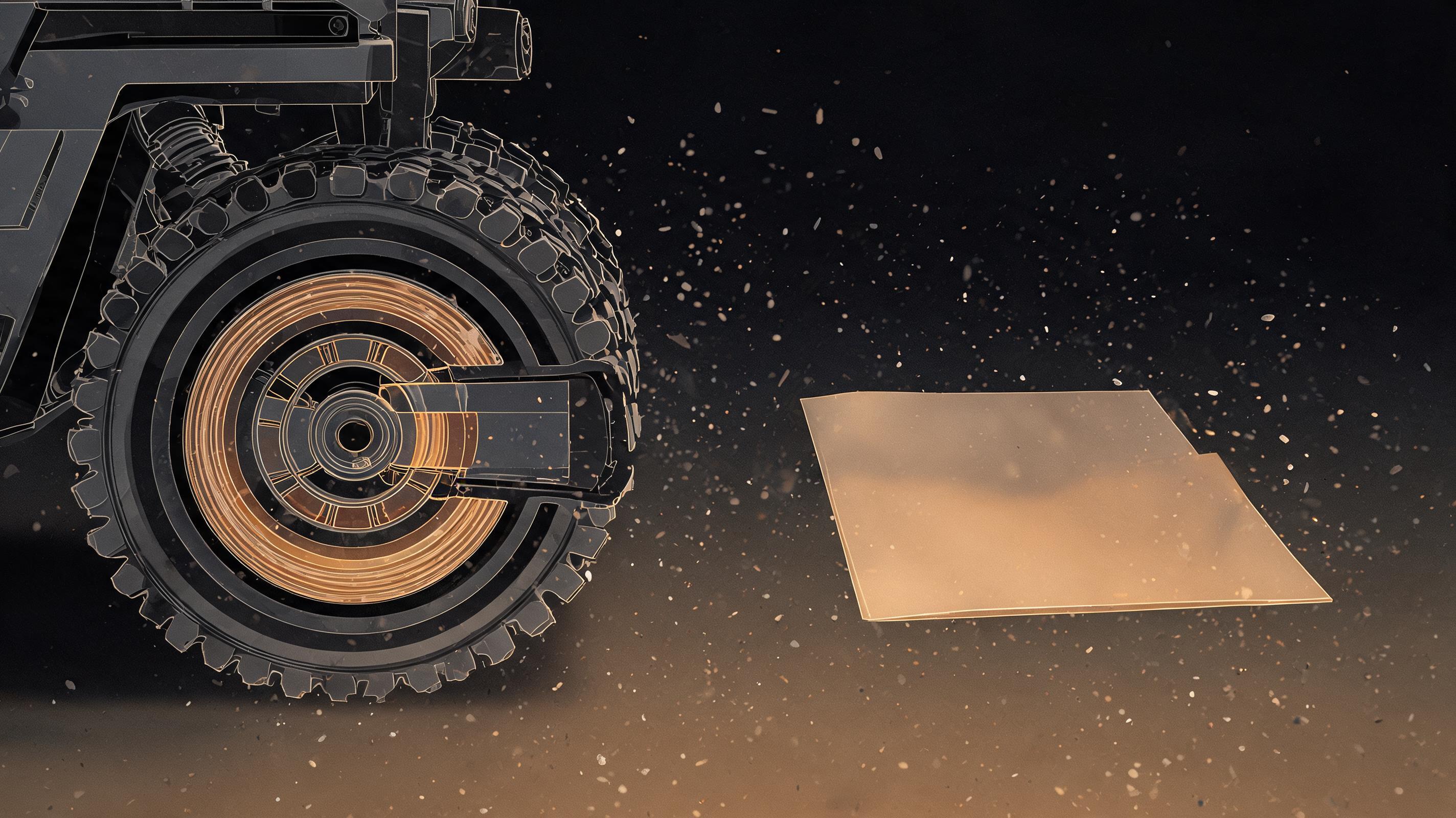
Here is the conclusion first: on October 31, 2026, at the 7th China Manned Space Engineering Symposium, China formally disclosed its crewed lunar landing plan — to land Chinese astronauts on the Moon before 2030, using a “two launches, one landing” scheme: two Long March-10 heavy rockets carry the Lanyue (“Embracing the Moon”) lander and the Mengzhou (“Dream Boat”) crewed spacecraft respectively, which rendezvous and dock in lunar orbit; of three astronauts, two ride the Lanyue lander down to the surface on a first crewed landing, also carrying a lunar rover for science. It is one of the most ambitious engineering programs in China’s space history. But behind the grand narrative hides a detail most people miss: going to the Moon is, in a way, harder than the rocket — the material is.
01 The Lunar Surface Is the Hardest “Exam Room” for Materials
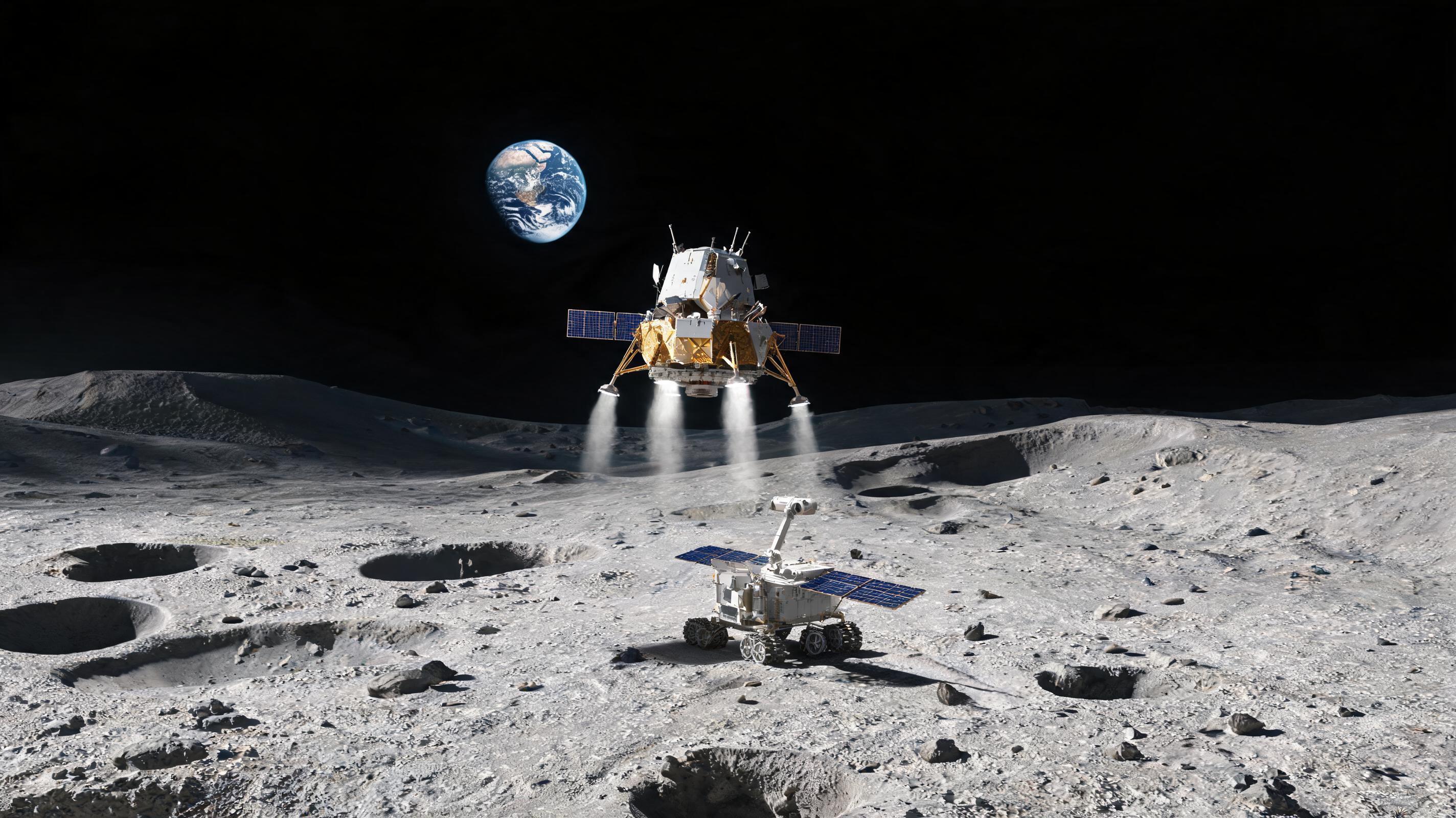
The Moon has almost no atmosphere and no magnetic field to protect the surface, so the lunar environment is, for a material, nearly “hell difficulty”: a day/night temperature swing of about 300°C — up to about 127°C in daylight, plunging to about -183°C at night; a vacuum so that heat can only be rejected by radiation; ultra-fine, highly abrasive lunar dust drifting everywhere; and on top of that, hard radiation from solar energetic particles and cosmic rays. For the lander to touch down steadily, the rover to drive for long stretches, and the cabin life-support to keep working reliably — from structural parts to seals, insulators and wear parts, every single component is pushed into the “material limit” exam room.
02 The Rocket Takes You There; the Material Keeps You Alive: Three “Lifelines”
The lunar mission sets out three nearly harsh requirements on materials, and every one points to “invisible” places. First is sealing: cabin life-support and propellant lines need seals that neither leak nor fail across extreme temperature swings. Second is insulation: high-voltage electrical systems and connectors must insulate stably in vacuum and low pressure, preventing discharge. Third is structural lightweighting and wear resistance: every gram of weight translates to launch cost, and a rover’s drive and landing buffers must be light, wear-resistant and fatigue-resistant. These three are precisely the strong suit of specialty engineering plastics — and at the front stand PEEK (polyether ether ketone) and PI (polyimide).
03 PEEK: The Critical Part That Holds Up a “300°C Swing”
PEEK is one of the most outstanding specialty engineering plastics in overall performance today. It resists high temperature — usable long-term at 260°C, with a glass-transition temperature around 143°C and a melting point around 343°C — so in the Moon’s enormous temperature cycles it keeps good dimensional stability and mechanical properties. It outgasses little, releasing almost no gas in a vacuum and so not contaminating precision optics and electrical parts. And it is self-lubricating and wear-resistant, working as sealing bushings and wear parts for a lunar rover’s drive and landing buffers without any grease, for long periods, in vacuum. In one sentence: PEEK answers the question of “can the equipment still move, stay sealed and stay unworn through extreme temperature swings”.
04 PI: The “King of Insulation” for Power and Heat
Polyimide is famous for an extreme temperature rating — long-term service above 260°C, with higher momentary peaks, and stable electrical insulation under hard space radiation. That makes it the aerospace world’s recognized “king of insulation”: satellites, rockets and spacecraft rely widely on PI for high-voltage insulation films, circuit substrates and thermal shields. In a lunar module’s high-voltage electrical system, and at the electrical connections of a rover facing high temperature and high irradiation, PI insulation film is the key barrier that keeps things “no leakage, no breakdown, no failure”. If PEEK solves “moving and not leaking”, then PI solves “power and heat” safety.
05 Working on the Moon Rides on a “Material Cluster”
Going to the Moon relies on a whole cluster of materials, each doing its job: metals handle the skeleton and the high-temperature core; carbon fiber handles structural lightweighting; PEEK handles the “moving” places — seals, bushings, wear parts — and PI handles the “power and heat” places — insulation films, thermal shields. The two are not substitutes but partners. From landing buffering and lunar-rover drive, to cabin-pressure maintenance, electrical connection and thermal protection, PEEK and PI form an invisible “material net” spread across every joint, turning point and insulation line of the lunar equipment. They are small — small enough to be easy to miss; and they are critical enough that any single failure could undo an entire mission.
06 Domestic Substitution: The “Material Independence” Behind Moon Landing
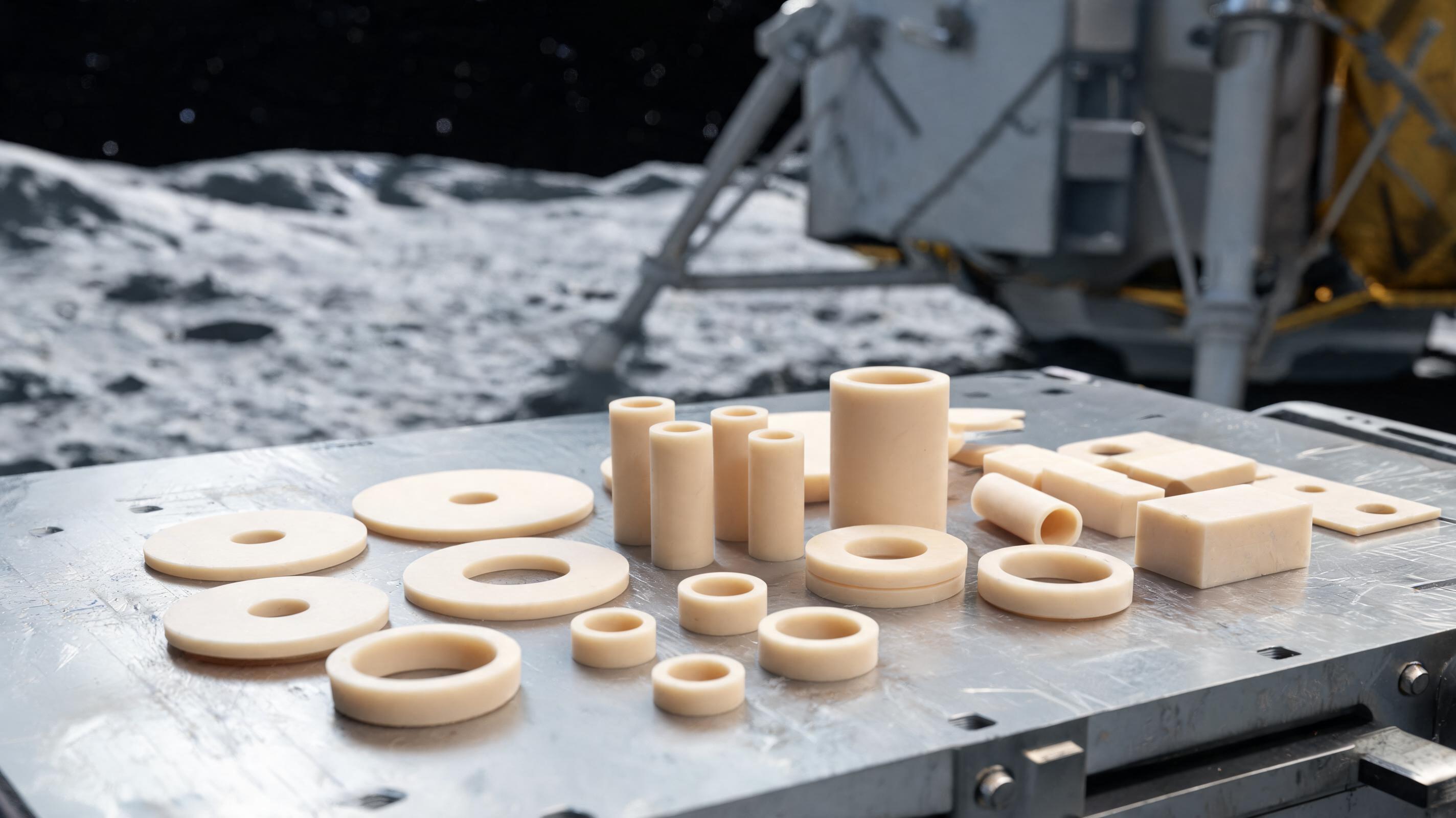
A national flagship program like crewed lunar landing puts strict domestic-content requirements on materials — core materials must not be “bottlenecked”. China’s PEEK and PI industrial chains are maturing and scaling up. Dalian Luyang Technology has long been deep in the R&D and production of PEEK and other high-performance engineering plastics and modified materials, providing stable, reliable domestic solutions in high-temperature resistance, self-lubrication and dimensional stability. When a lunar rover drives across the Moon, when cabin pressure stays stable through extreme temperature swings — underneath are these “invisible domestic materials” carrying the load. In 2030, Chinese astronauts will step onto the Moon for the first time. The event is grand enough to feel far away; but taken apart, it comes down to one sealing ring, one insulation film, one wear bushing at a time — down to the plainest question of “can the material hold”. The rocket takes people and equipment up; the material is what makes it all “stay, move and not fail” on the lunar surface. Hard materials are building the ladder that takes humanity to deep space. From Dalian Luyang Technology, a specialty-engineering-plastics manufacturer working in PEEK, PI and PTFE modification and precision molding for aerospace sealing, insulation and wear parts.